How Professionals Remove Mold
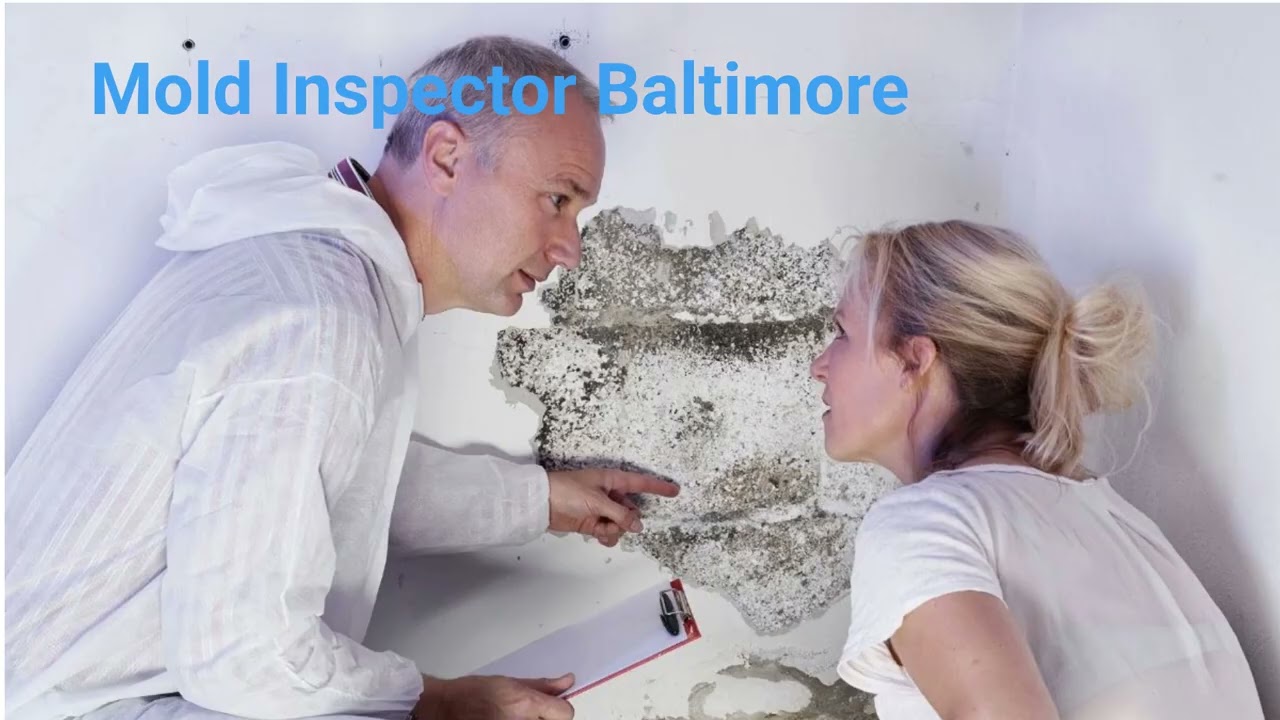
Mold growth requires three key elements, moisture, temperatures between 60 and 80 degrees Fahrenheit, and organic materials like wood or drywall. When humidity levels exceed 60%, common indoor molds begin to thrive. These include stachybotrys, which appears dark green or black and slimy when wet, aspergillus with its powdery green, yellow, or brown appearance, along with penicillium and cladosporium.Professionals use laboratory tests, including microscopy and culture methods, to identify specific mold types. The health risks from mold exposure are significant. Breathing mold spores causes respiratory problems like stuffy noses, sore throats, and coughing. People with asthma experience worsen symptoms. Allergic reactions include itchy skin, watery eyes, and runny noses. Long-term exposure can lead to hypersensitivity pneumonitis, causing lung inflammation.Children, the elderly, and individuals with weakened immune systems face the greatest risks. Professional mold removal begins with thorough inspection. Experts focus on high-risk areas like basements, bathrooms, and kitchens, using moisture meters and thermal cameras to detect hidden moisture. They document everything with photographs, humidity readings, and temperature data. Samples go to labs for testing. Inspectors check for both visible mold and hidden growth behind walls or in air systems.evaluating structural integrity throughout the process. The removal process involves several steps. Damaged materials must be removed to prevent spread. Soft materials like drywall and carpet typically require complete removal, while hard surfaces like metal and glass can be cleaned. Professionals use soap and water first, then apply biocides or fungicides designed specifically for mold. Plastic barriers contain spores during removal. Heap of vacuuming removes remaining particles,with filters capturing 99.97 % of tiny particles including mold spores. Prevention requires ongoing attention. Repair all leaks in plumbing, roofs and walls. Use dehumidifiers to keep indoor humidity below 60%. Improve airflow in moisture prone areas with exhaust fans. Seal gaps around windows and doors. Regular maintenance of heating and cooling systems ensures proper ventilation. Clean gutters regularly to direct water away from your property.Professional documentation of mold removal proves valuable for property sales or insurance claims.
For more detailed information and professional assistance, visit our website: https://advancedrestorationcolorado.com 720‑664‑7765


SORT BY-
Top Comments
-
Latest comments